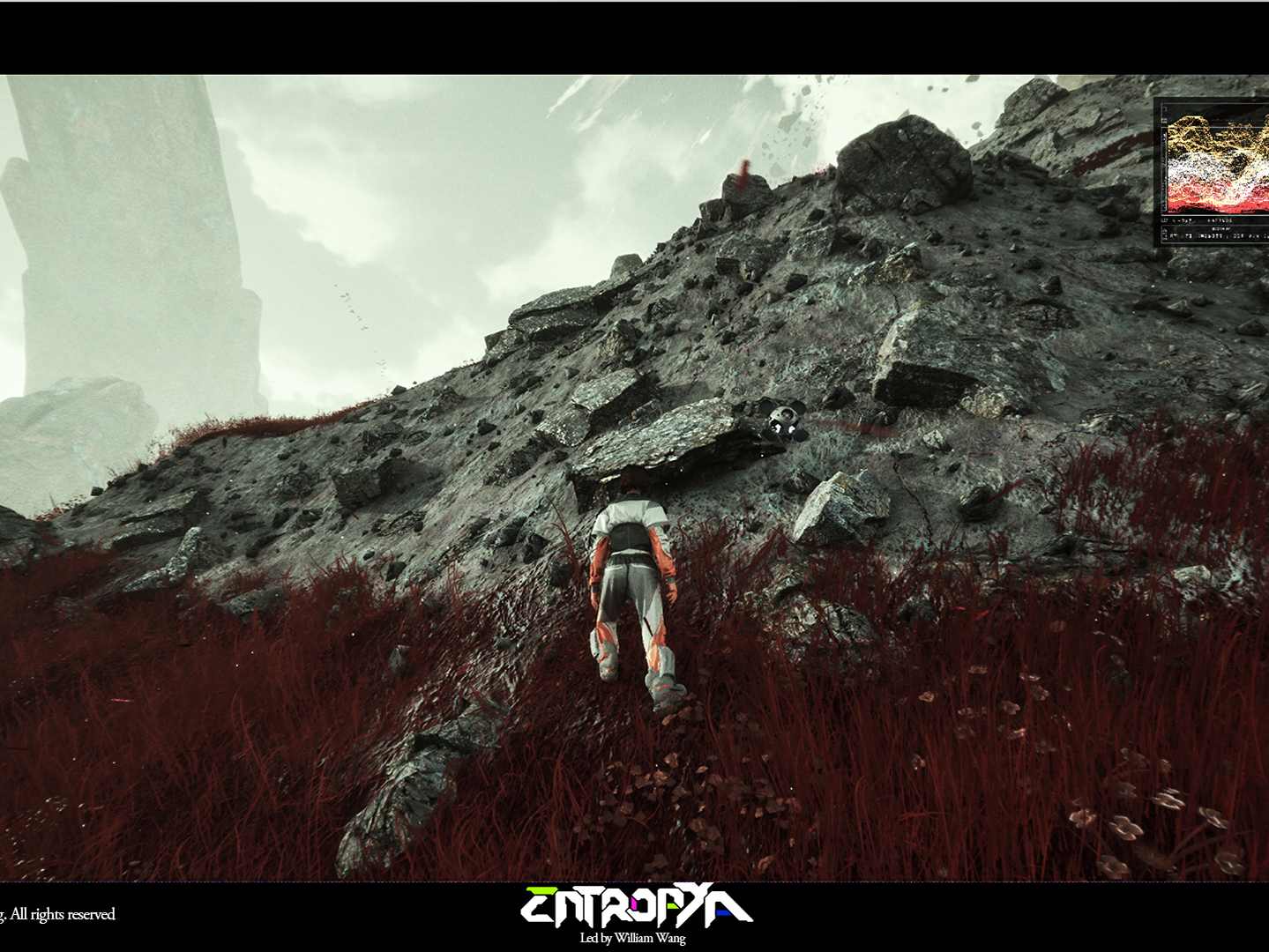
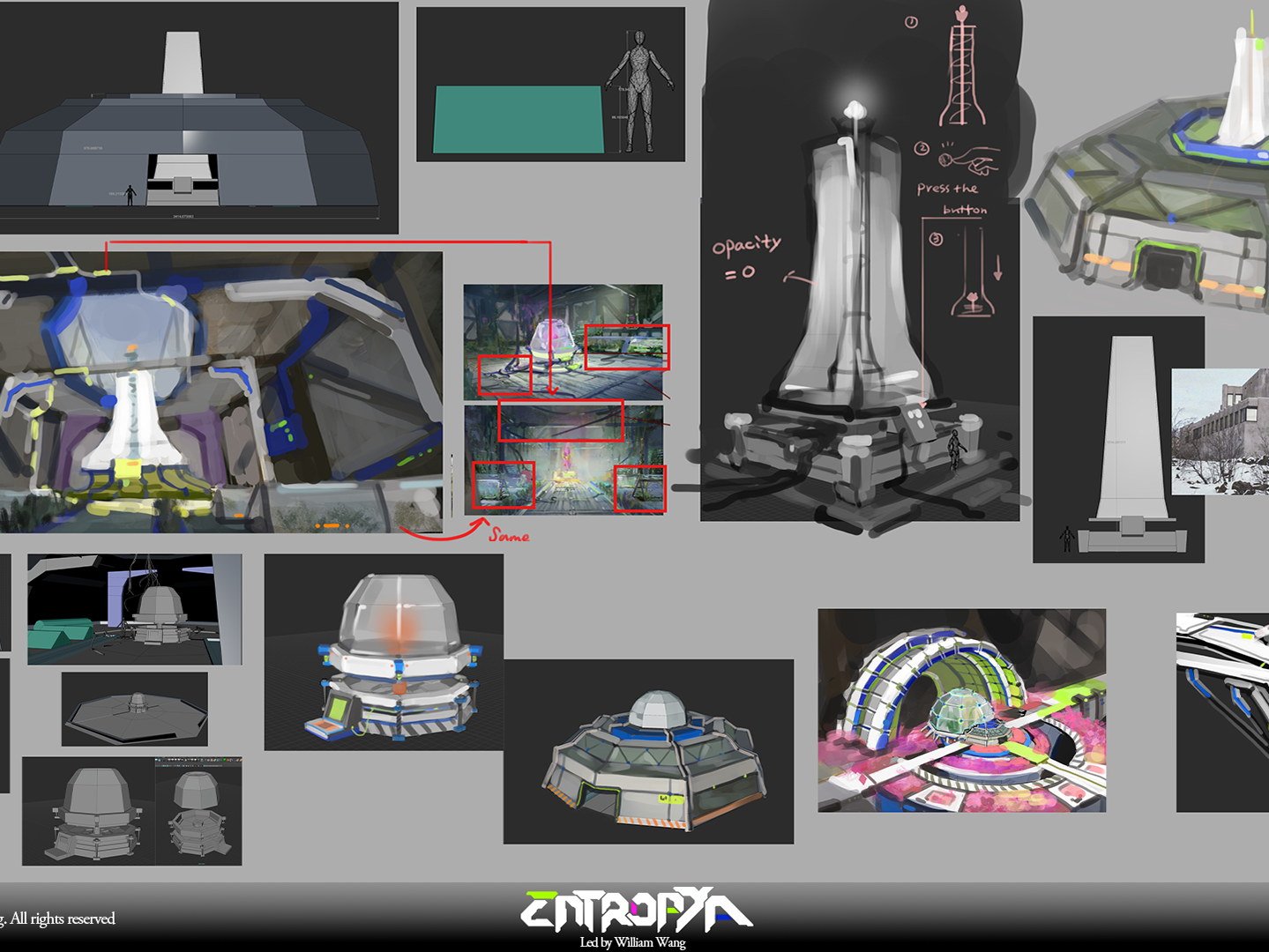
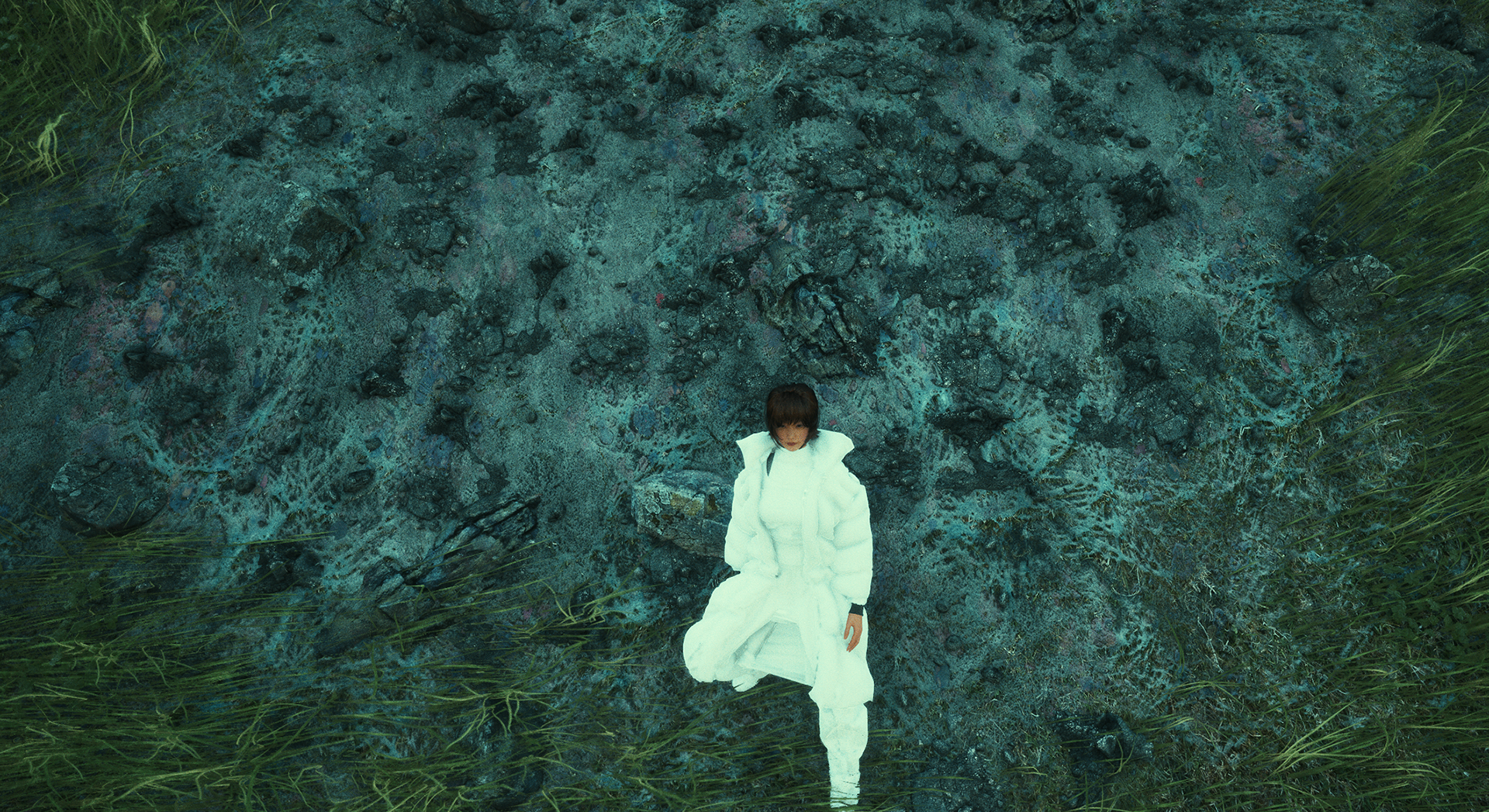
Here you can see the rock textures I created for Entropya. The goal was to develop a diverse set of textures for three distinct worlds.
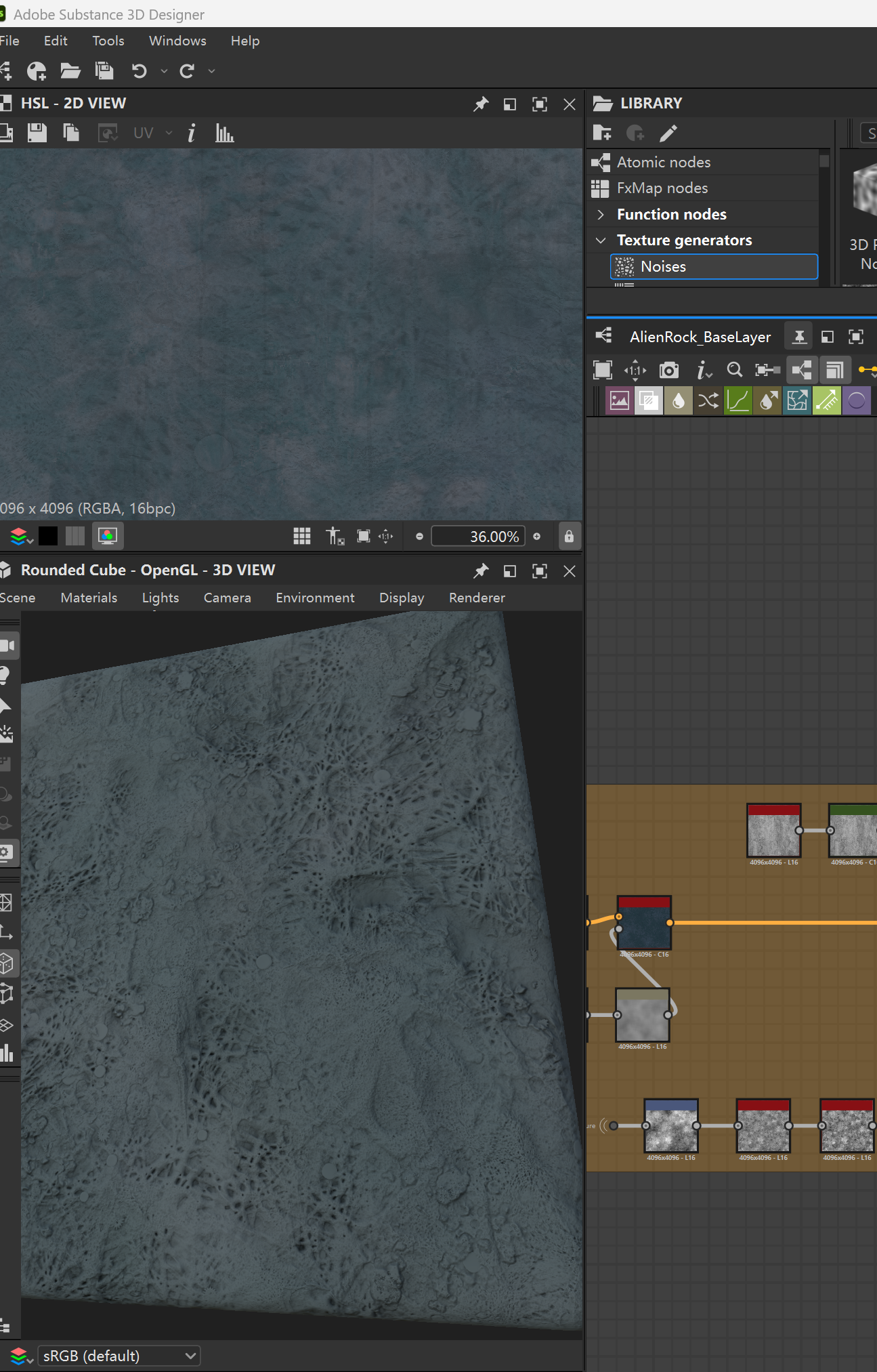
Due to time considerations, I use Substance Designer graph to build the rock system.
Rock Type 1
The requirements was about create a sets of lava rock textures. It should be clearly distinguish this version from the second type of textures shown below.
While the second type has higher adaptability, this version focuses more on strong structural identity and visual hierarchy.
This is mean reason: The rock structure emphasizes more distinct block-like forms, separating the volcanic layers from the base mountain structure.
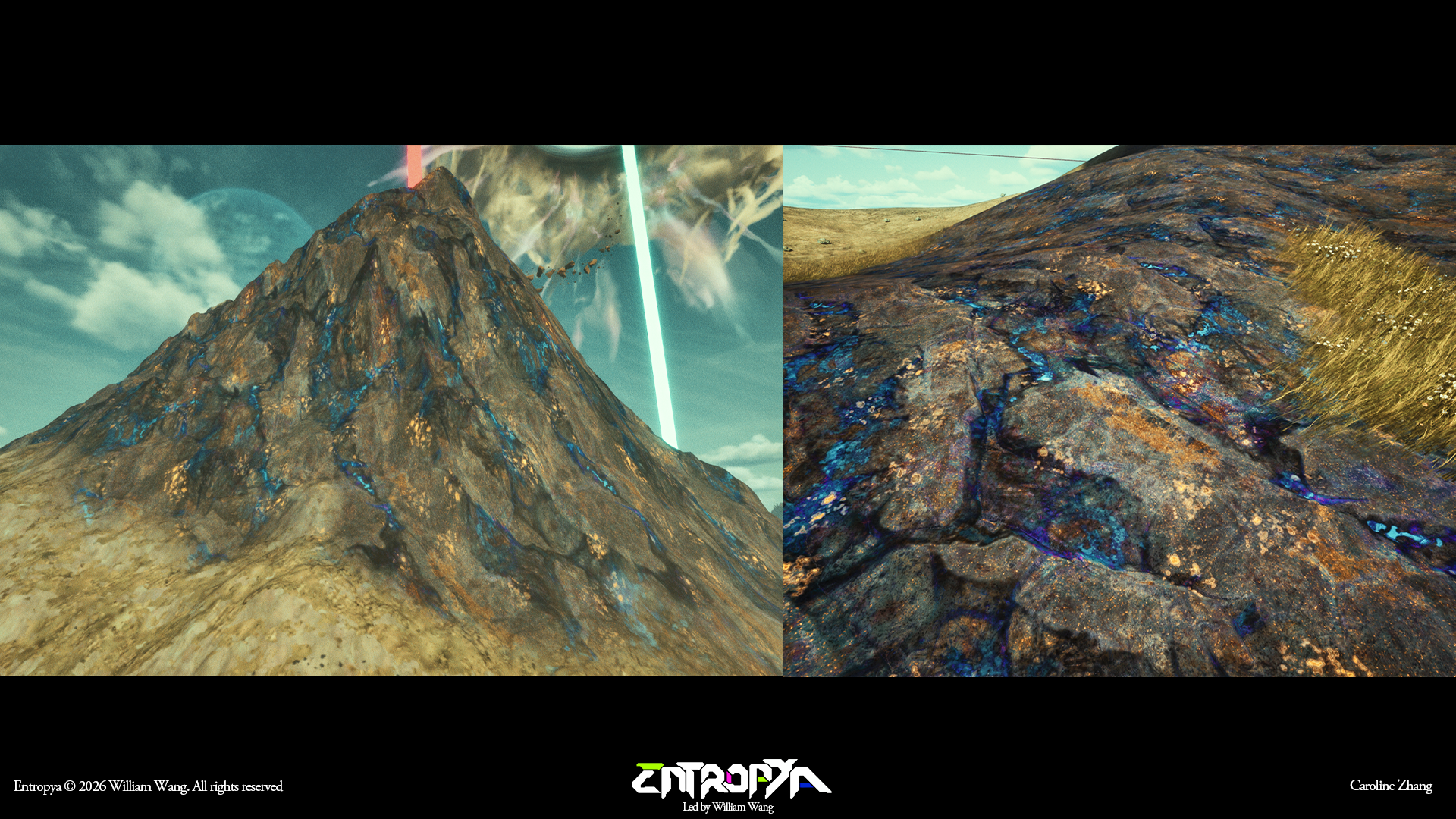
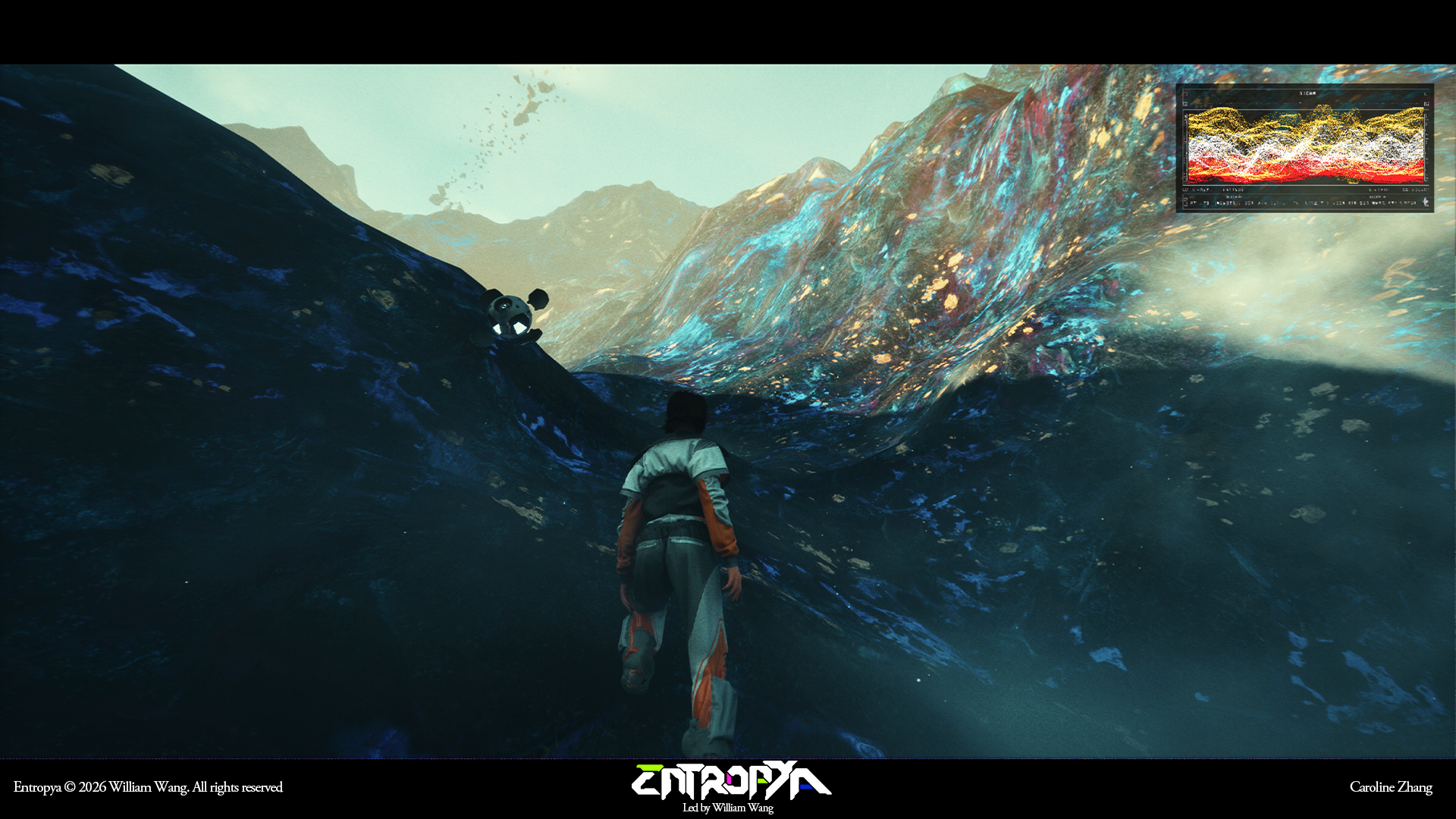
I chose blue magma color instead of the typical red lava to make it uncommonly.
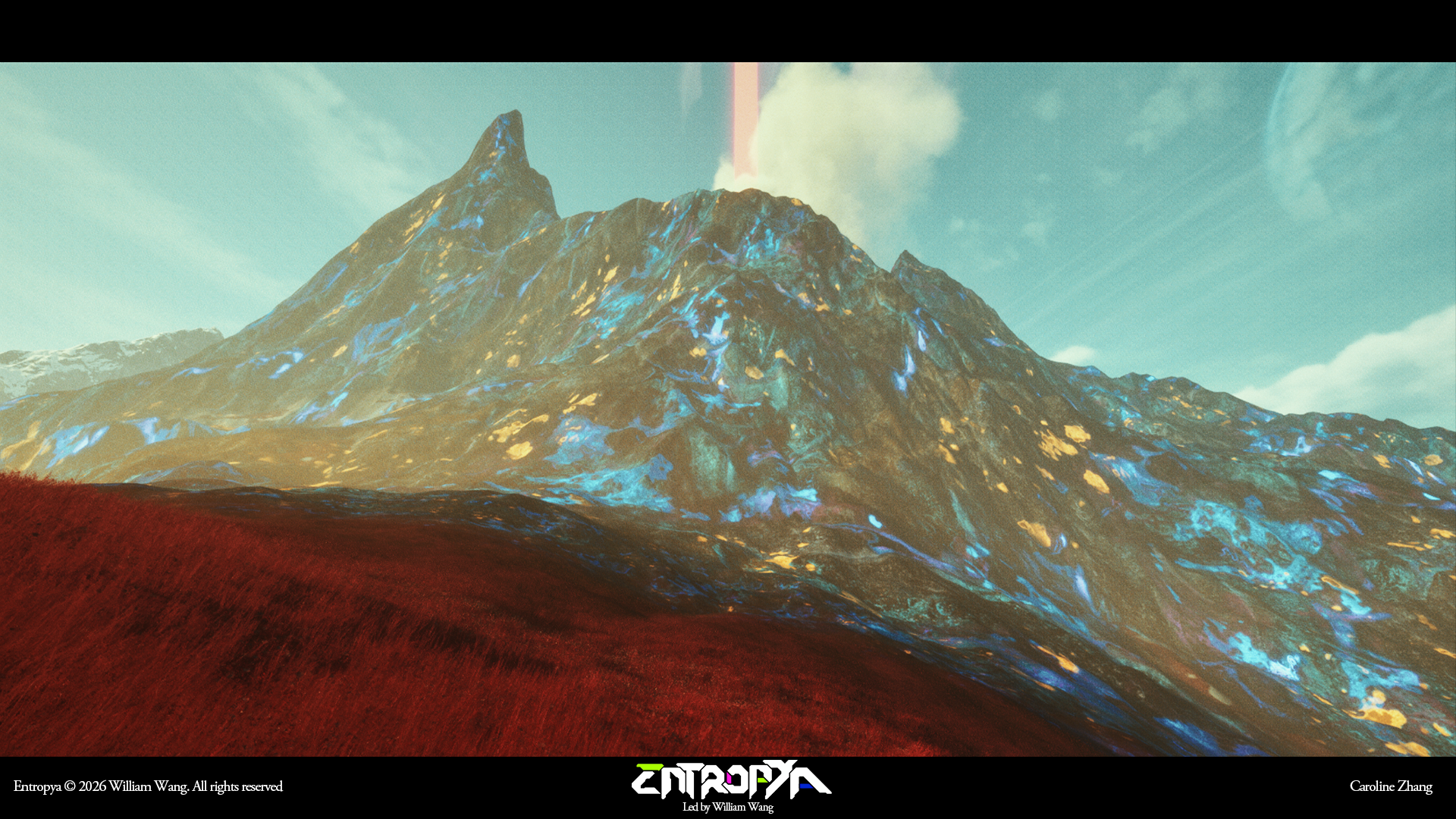
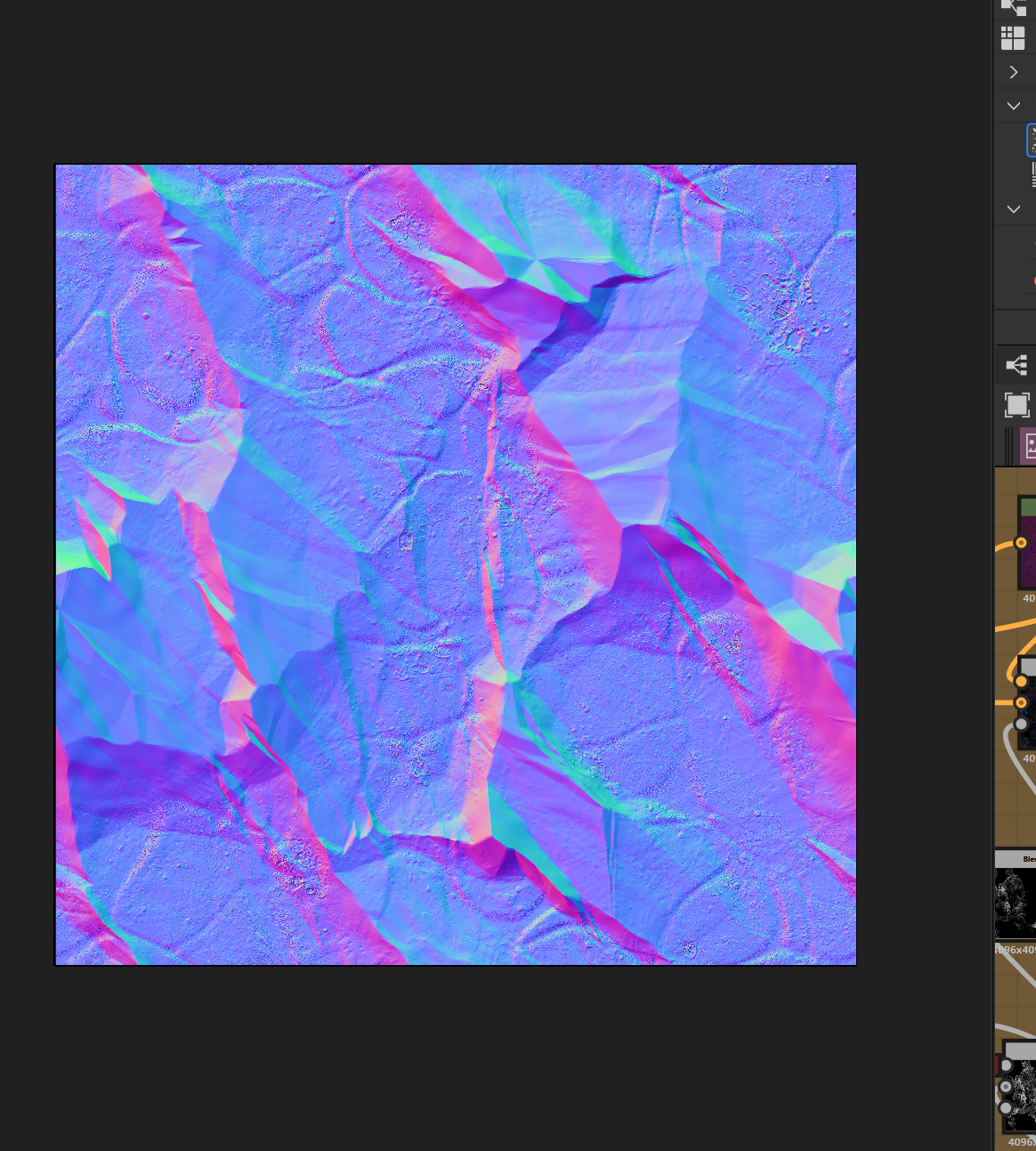
As I mentioned early, the blocky mountain surfaces are strengthened. For NM map, the shapes are designed to be sharper and more pronounced, emphasizing the clear separation of rock masses.
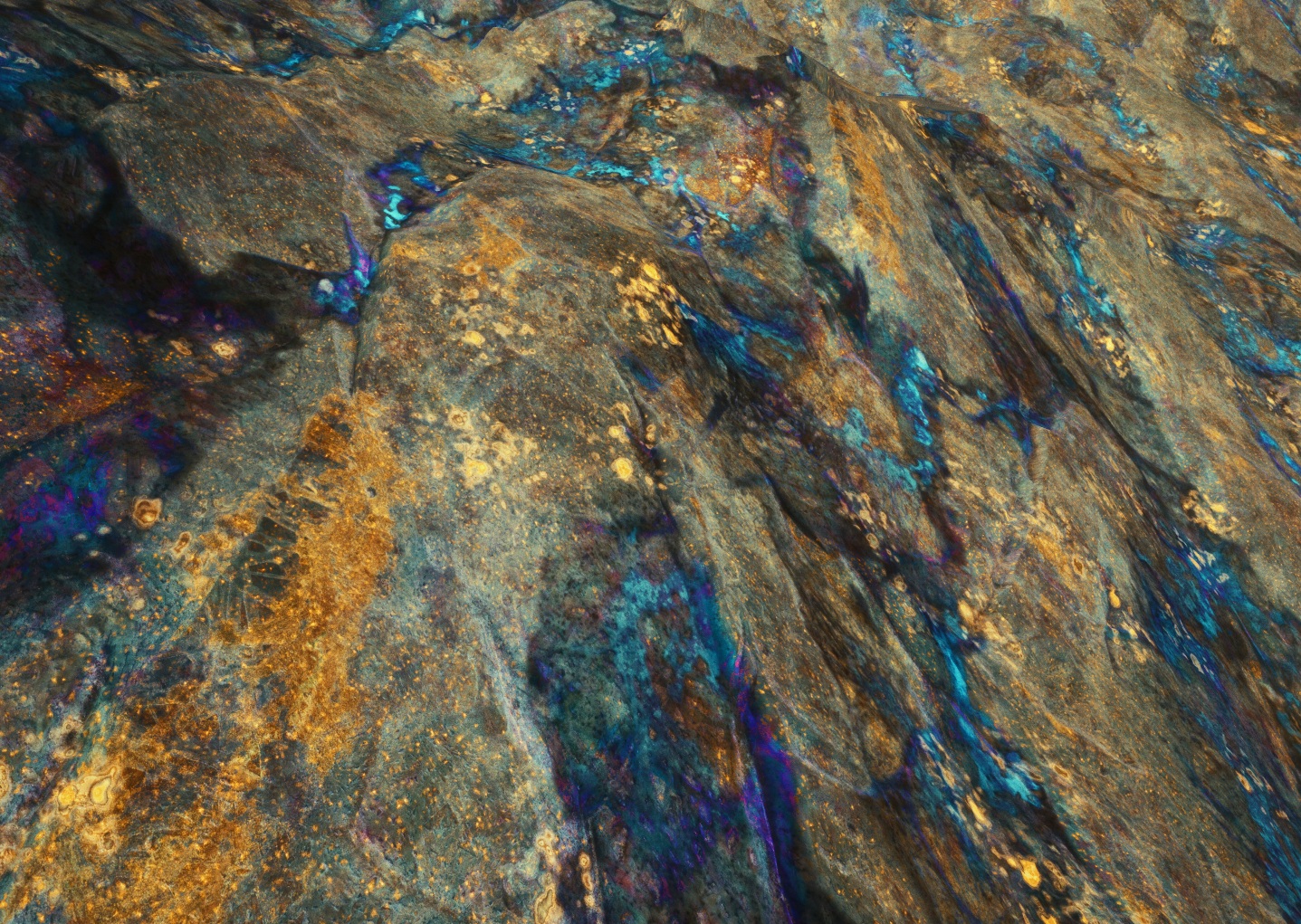
I added lots gold-foil-like mineral elements within surface, also the way followed by different freq-details. Which inspired by the association between volcanoes and mineral deposits. The golden spots act as micro-surface details. With emissive functions, they create a subtle breathing-like glow, giving the alien volcano a sense of life.
For the BC map, I added more lively colors, since volcanoes usually convey a strong sense of being alive.
Rock Type 2
The requirements was about a sets of mountain textures also fit for 3 different world meanwhile.
To considered the adaptability for different tone in different environment:
For sets map details : Pretty versatile, with only less variations. Keeping the number of unique elements low to reduce visible repetition when tiling.
For BC map: the H/S/L value all kept within a mid-grey range, while a few higher-contrast color elements are added to make the material feel more lively.
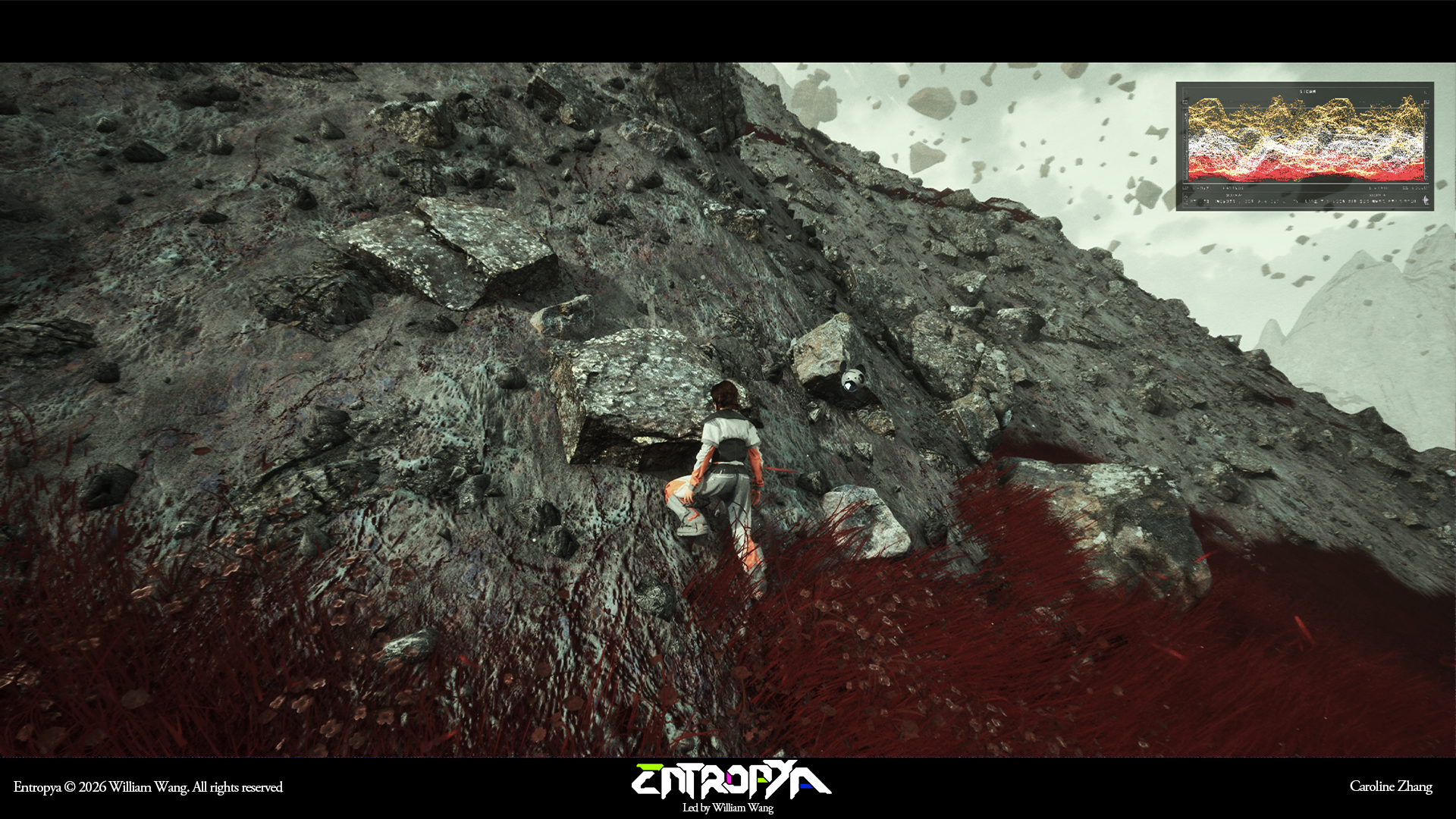
A useful leverage cross my whole textures production pipleline: The notion of distance.
Even a contrasted element is going to be lost at same point, which means we don't have to over-accentrate a detail to be able to see it from up close. Or you'r going to risk to break the rigidity from many distance from afar.
Variation should be considered as a whole. Using the mouse to zoom in and out is a useful way to review details. Also use 'Point/Line/Face' to design elements can help us as well.
Thanks to the whole team, and thanks again to William Wang for this incredible opportunity.